ES
ES
 EN
EN
 FR
FR
 DE
DE
 IT
IT
 PT
PT
 RU
RU
 ZH
ZH
 JA
JA
 KO
KO
 AR
AR
 NL
NL
 SV
SV
 NO
NO
 FI
FI
 DA
DA
 PL
PL
 TR
TR
 EL
EL
 HE
HE
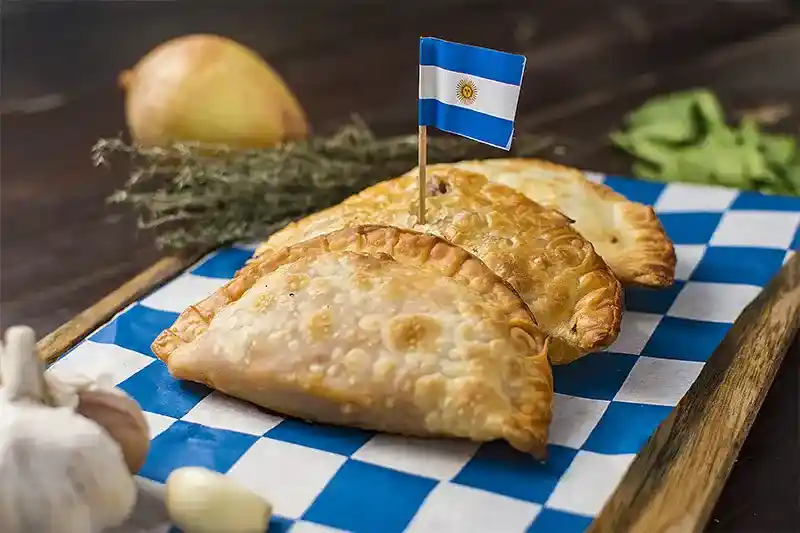
Argentine cuisine is a vibrant tapestry woven from tradition, rich flavors, ancestral techniques, and a deep-rooted culinary passion that graces every table. This cuisine is a fusion of indigenous roots, Spanish and Italian influences, European immigration, and Creole customs. Over time, these elements have coalesced to form a unique gastronomic identity that is celebrated globally. This definitive guide will introduce you to the most iconic dishes, authentic preparation methods, regional variations, the secrets of master grillers, and the cultural nuances that elevate Argentine food beyond mere sustenance to a cherished ritual.
The Argentine Asado: Cultural Heritage and Heart of Gastronomy
The Argentine asado is more than just a barbecue; it's a cultural rite. The process begins with the careful lighting of the fire, selecting wood or charcoal tailored to the specific meat cut. The grill is brought to a low heat as family members gather, creating an atmosphere of anticipation. Classic cuts like the asado strip, vacío, entraña, matambre, ribs, bondiola, or chorizos are cooked slowly, ensuring the meat is tender and succulent. The key to a perfect asado lies in patience, maintaining a steady temperature, and the use of coarse salt, which enhances the meat's natural flavors. Served with homemade chimichurri—a vibrant mix of parsley, garlic, chili, vinegar, oil, and spices—and fresh salads, the asado epitomizes the Argentine culinary spirit.
Creole Empanadas: The Most Beloved Snack
Empanadas are a beloved Argentine staple, with each province boasting its own unique twist. In Salta, they feature knife-cut meat, potato, egg, and cumin; Tucumán's empanadas are juicy with green onion and a softer dough; while Córdoba offers a slightly sweet version. The classic filling includes minced meat, onion, red pepper, olives, hard-boiled egg, and spices. The dough is rolled thin, generously filled, and baked to a golden hue or fried for a rustic, flavorful alternative. Empanadas are a staple at family gatherings, birthdays, barbecues, and weekend meals, embodying the essence of Argentine hospitality.
The Milanesa and its Variants: A Still Life Classic
The Argentine Milanesa, a nod to Italian culinary traditions, has become a quintessential dish in Buenos Aires. Beef or chicken fillets are coated with breadcrumbs, egg, garlic, and parsley, then fried to a golden, crispy perfection. The renowned Neapolitan variant includes homemade tomato sauce, ham, and melted mozzarella cheese, creating a hearty and comforting dish. Other popular variations include the Milanesa on horseback (topped with fried eggs), the stuffed Milanesa, and the giant Milanesa, a favorite in Buenos Aires' cantinas.
Choripán: Simplicity, Tradition and Unforgettable Flavor
The choripán is a simple yet iconic dish, deeply ingrained in Argentine culture. It consists of juicy grilled chorizo nestled in crusty bread, generously topped with chimichurri or Creole sauce. This beloved snack is a staple at football matches, festivals, fairs, family barbecues, and street vendors. Affordable, quick to prepare, and delicious, the choripán is a testament to Argentina's rich gastronomic heritage.
Locro, Humita and Foods from Northern Argentina
The northern regions of Argentina offer a rich tapestry of historical and nourishing cuisine. Locro, a hearty stew made with white corn, pumpkin, bacon, red chorizo, and beef, is a comforting dish central to national celebrations on May 25 and July 9. Humita, a sweet and tender dish, is crafted from grated corn, cheese, onion, and spices, wrapped in corn leaves. These dishes are deeply rooted in indigenous culture and represent some of the oldest culinary traditions in Argentina.
Argentine Pastas with Italian Influence
Italian immigration has left an indelible mark on Argentine cuisine, making pasta a cornerstone of its gastronomy. Dishes like sorrentinos, gnocchi, ravioli, and homemade noodles are a Sunday family tradition. Gnocchi, symbolizing prosperity, are traditionally eaten on the 29th of each month, often with a bill placed under the plate as a nod to good fortune.
Desserts and Dulce de Leche: The Sweetest Treasure in the Country
Argentine dulce de leche is renowned worldwide for its creamy texture and rich flavor, finding its way into cakes, alfajores, pancakes, ice cream, and countless other recipes. Among the classic desserts are:
- Homemade flan with dulce de leche and cream, a timeless favorite.
- Artisanal alfajores, featuring soft cookies and a generous filling.
- Dulce de leche pancakes, a beloved snack.
- Cakecakes, fried sweets filled with quince or sweet potato.
Why Argentine Cuisine Attracts Visitors from All Over the World
Argentine gastronomy boasts three defining strengths: high-quality ingredients, a rich tradition, and a culture deeply intertwined with food. Family gatherings invariably feature traditional dishes, Sundays are sacred for barbecues, cafes are steeped in history, and still lifes preserve age-old recipes. Keywords related to Argentine cuisine, homemade recipes, barbecues, and traditional dishes are highly sought after in search engines, making this content a powerful tool for driving organic traffic to culinary blogs.
In summary, Argentine food is an intricate blend of tradition, flavor, culture, and emotion. Preparing these dishes at home allows you to embark on a culinary journey, experiencing a slice of Argentina's rich history from your own kitchen.