ES
ES
 EN
EN
 FR
FR
 DE
DE
 IT
IT
 PT
PT
 RU
RU
 ZH
ZH
 JA
JA
 KO
KO
 AR
AR
 NL
NL
 SV
SV
 NO
NO
 FI
FI
 DA
DA
 PL
PL
 TR
TR
 EL
EL
 HE
HE
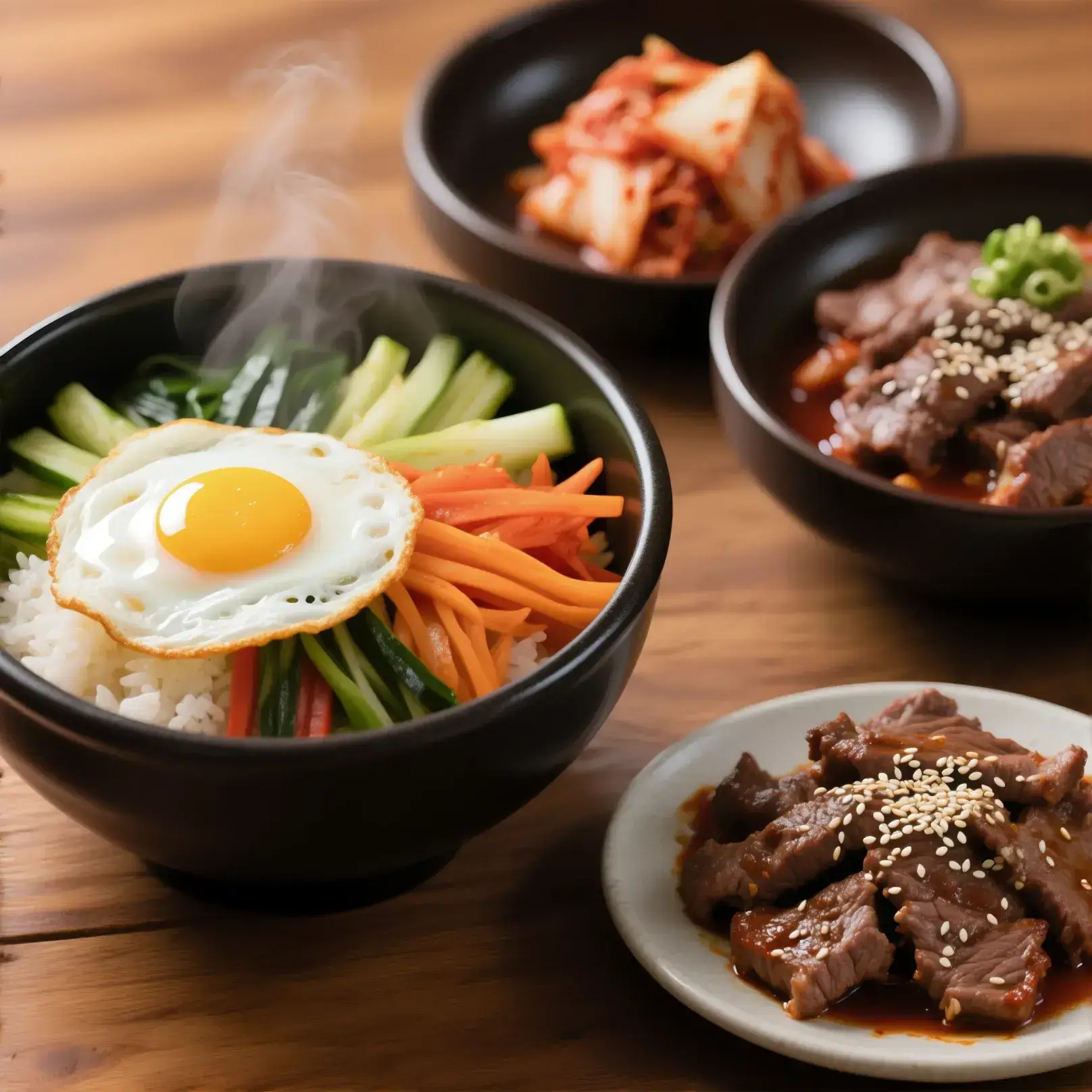
Korean cuisine is renowned for its harmonious blend of spicy, fermented, sweet, and salty flavors. It is abundant in vegetables, rice, meats, and fermented foods, offering a cuisine that is both nutritious and steeped in tradition.
At the heart of Korean food is the emphasis on fresh ingredients and culinary techniques that enhance natural flavors. Every dish is crafted with attention to both nutritional value and visual appeal.
Kimchi
Kimchi stands as Korea's most iconic dish. This fermented Chinese cabbage is seasoned with garlic, ginger, chili, and a variety of other spices. Not only is it a staple at every meal, but it also offers digestive benefits and natural probiotics. There are numerous variations, including radish kimchi and versions made with cucumber or napa cabbage.
Bibimbap
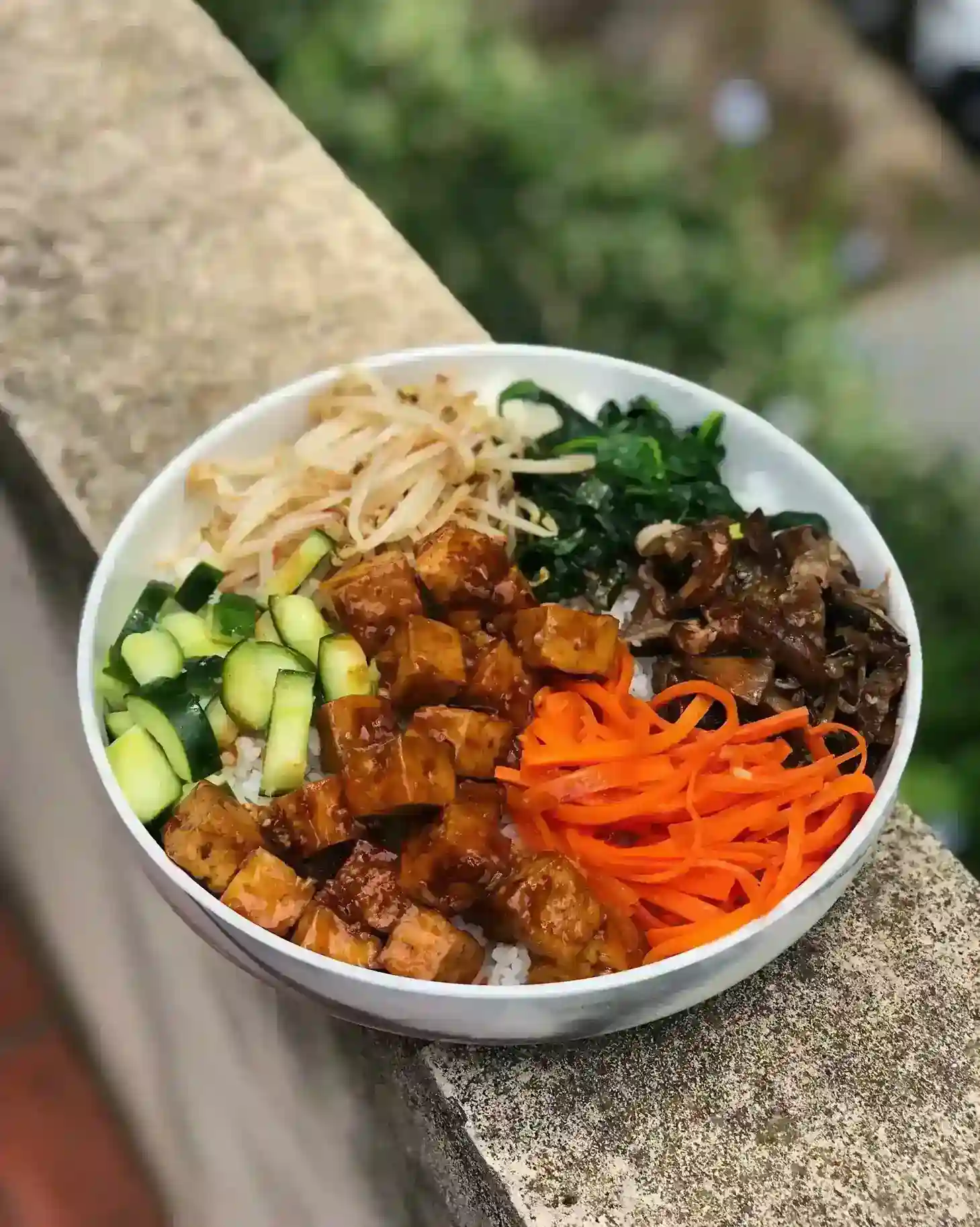
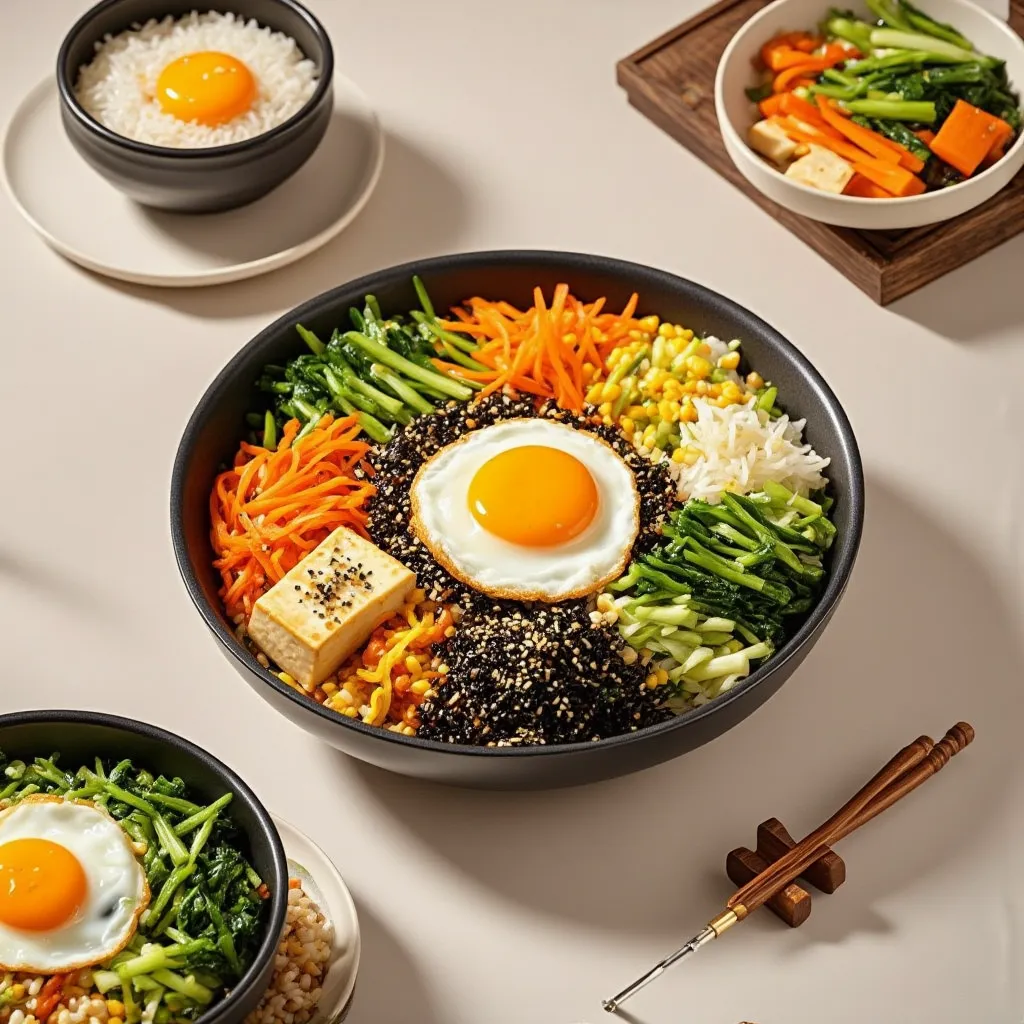
Bibimbap is a quintessential Korean dish that artfully combines white rice with sautéed vegetables, marinated meat, a fried egg, and gochujang sauce. Before consumption, all ingredients are mixed together, resulting in a harmonious blend of flavors, textures, and colors. This dish is both nutritious and satisfying.
Bulgogi
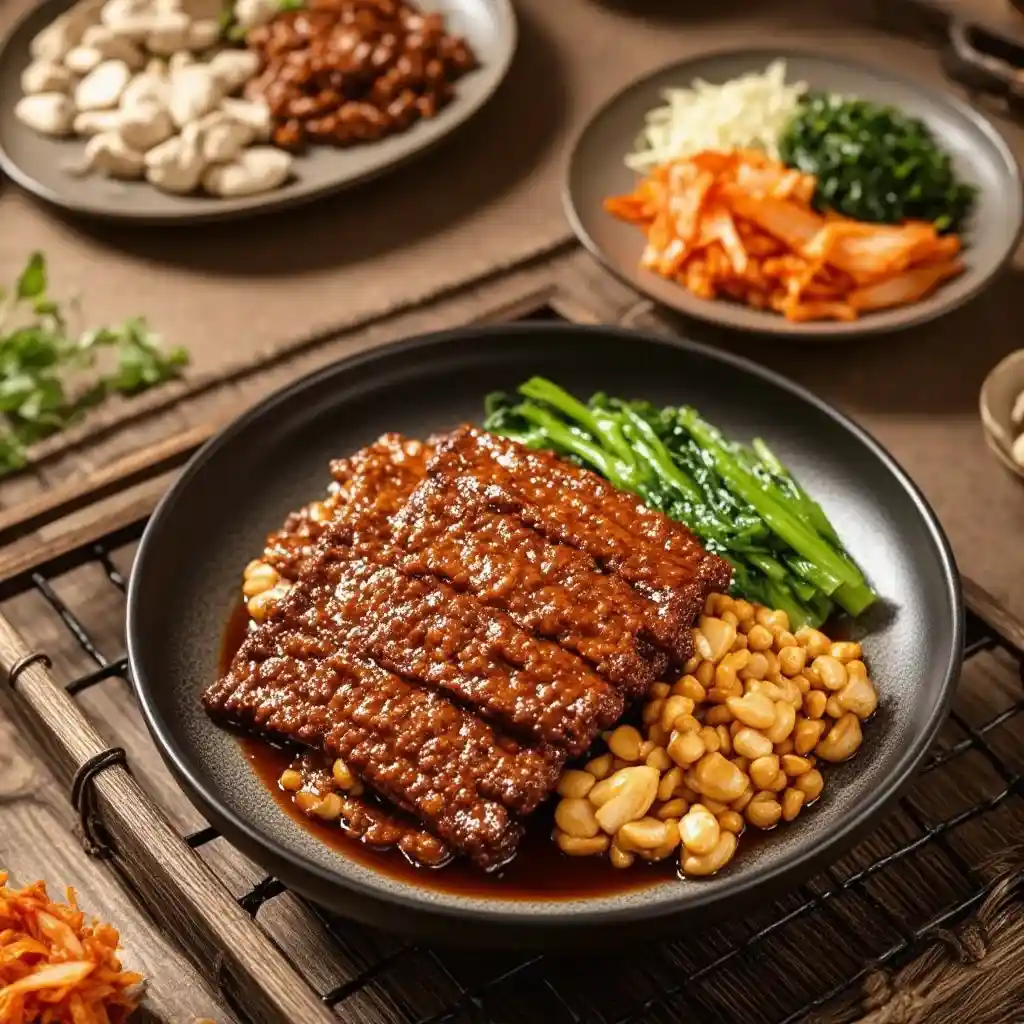
Bulgogi features thin slices of beef marinated in a mixture of soy sauce, garlic, sesame oil, and sugar, then grilled or pan-fried. Its delightful balance of sweet and salty flavors, along with its tender texture, makes it a beloved choice in Korean cuisine.
Tteokbokki
Tteokbokki are chewy rice cakes cooked in a spicy Korean chili-based sauce. The combination of their soft texture and the sauce's spiciness makes them a popular snack in Korea, perfect for sharing.
Japchae
Japchae consists of sweet potato noodles stir-fried with vegetables, meat, and soy sauce. This dish is vibrant, aromatic, and ideal for celebrations or special occasions.
Korean cuisine masterfully combines tradition, health, and flavor, with each dish reflecting the country's rich culture and creativity. This makes it one of the most celebrated cuisines around the world.